


About the Atharva Veda:- The Atharva Veda (अथर्ववेद) is the fourth and most practical of the four Vedas. Named after the sage Atharvan, it is a collection of 6,150 mantras organized into 20 Kandas (books) that deal with the concerns of everyday human life — health, healing, protection from evil, prosperity, longevity, and domestic harmony.

Sanatana Dharm సనాతన ధర్మం  Sanatana Dharm సనాతన ధర్మం  Sanatana Dharm సనాతన ధర్మం
stroms  Srimad Bhagavad Gita  Valmiki Ramayanam/Valmiki Ramayanam

Atharva Veda - All 19 Kandas -
(8 verses)


Kanda 10 · Verse 1

यां कल्पयन्ति वहतौ वधूमिवा विश्वरूपाम् हस्तकृतां चिकित्सवः । सारादेत्वप नुदाम एनाम् ॥ १ ॥

Whatever plan or design or fraud or seductive decoy, planners, designers or tacticians have prepared with their own hand and brain, finished in all possible beautiful forms in detail and sent in to us like a bride ready for departure for the bridegroom's home, we counter and throw it back to the sender. (The evil plan is described like a vishakanya, deadly seductress.)

यह श्लोक कहता है कि जिस प्रकार चिकित्सक नववधू की तरह विश्वरूपिणी (सब रूपों वाली) देवी की कल्पना करते हैं, उसी प्रकार हम भी इस रोग को दूर भगा दें।

Kanda 10 · Verse 1

केन पाष्णीं आभृते पुरुषस्य केन मांसं संभृतं केन गुल्फौ । केनाङ्गुलीः पेशनीः केन खानि केनोच्छल्छो मध्यतः कः प्रतिष्ठा ॥ १ ॥

By whom is the heel formed, by whom is the flesh gathered, by whom the ankles? By whom are the fingers shaped, by whom the openings, and by whom the swelling in the middle? Who is the foundation?

यह श्लोक सृष्टि के रहस्य पर प्रकाश डालता है। यह पूछता है कि किस शक्ति ने मनुष्य के शरीर के विभिन्न अंगों, जैसे एड़ी, मांस, टखने, उंगलियाँ, और शरीर के मध्य भाग का निर्माण किया है, और वह कौन है जो इन सबको धारण करता है और जीवन प्रदान करता है।

Kanda 10 · Verse 1

इन्द्रस्य प्रथमो रथो देवानाम्परः रथो वरुणस्य तृतीय इत् । अहीनाम्प्रमा रथं स्थाणुमार्गदार्षत् ॥ १ ॥

The chariot of Indra is foremost among the gods, the chariot of Varuna is second, and the third is that of the serpent-kings. The chariot of the steadfast one reveals the path.

यह श्लोक इंद्र, वरुण और सर्पों के रथों का वर्णन करता है, जो क्रमशः प्रथम, द्वितीय और तृतीय स्थान पर हैं। स्थाणु (शिव) ने सर्पों के रथ को मार्गदर्शक के रूप में देखा।

Kanda 10 · Verse 1

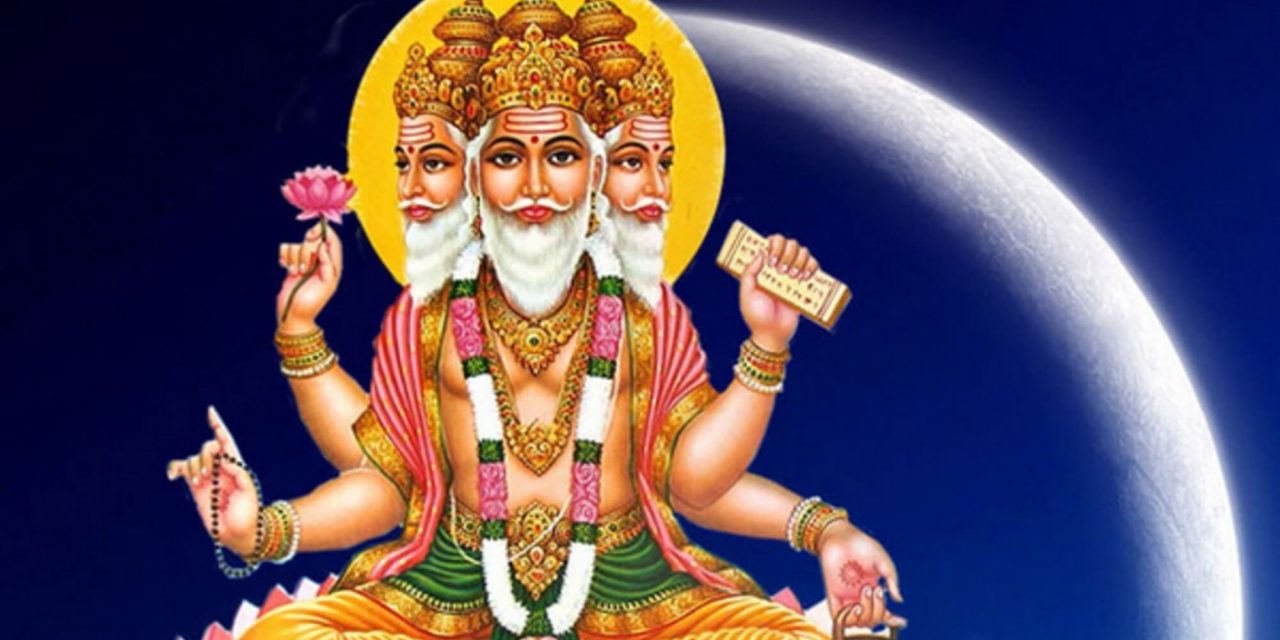
यो भूतं च भविष्यं च सर्वं यश्चाधि तिष्ठति । स्वयंशस्य च केवलं तस्मै ज्येष्ठाय ब्रह्मणै नमः ॥ १ ॥

Salutations to the Supreme Brahman, the eldest, who alone presides over all that was, is, and will be.

जो भूत और भविष्य सब पर शासन करते हैं, और जो स्वयं ही सब कुछ हैं, उस ज्येष्ठ ब्रह्म को मेरा नमस्कार है।

Kanda 10 · Verse 2

शीर्षेण्वतीं नस्वतीं कर्णिनीं कृत्याकृतां संभृतां विश्वरूपां सारादेत्वप नुदाम एनाम् ॥ २ ॥

Perfect in head, nose and ear, i.e., highly intelligent, perceptive, all receptive, made fully self- provided beauty of the world incarnate, this seductive decay we counter and throw off back to the sender.

यह श्लोक देवी दुर्गा से प्रार्थना करता है कि वे सभी प्रकार की बुराइयों, जैसे कि सिर पर वार करने वाली, पीछे से प्रहार करने वाली, कान वाली, कृत्यों को बिगाड़ने वाली और भयंकर रूप धारण करने वाली शक्तियों को दूर करें। देवी से अनुरोध है कि वे इन सभी नकारात्मकताओं को नष्ट कर दें।

Kanda 10 · Verse 2

स्कम्भनेमे विष्टभिते द्यौश्च भूमिश्च तिष्ठतः । स्कम्भं इदं सर्वमात्मन्यव- ष्षयत् ॥ २ ॥

The heavens and earth stand supported by this pillar. This entire universe is contained within the Self.

यह श्लोक कहता है कि यह संपूर्ण ब्रह्मांड, जिसमें आकाश और पृथ्वी शामिल हैं, एक आधार पर टिका हुआ है। यह आधार ही सब कुछ धारण करता है और उसी में सब कुछ समाहित है।

Kanda 10 · Verse 3

शुक्रकृतां राजकृतां स्त्रीकृतां ब्रह्मभिः कृता । जाया पत्न्यं नुतेव कर्तरं बन्धवृच्छतु ॥ ३ ॥

May the wife, who is the creation of Venus, royalty, women, and Brahmins, and who is the source of binding, be pleased with the husband.

यह श्लोक बताता है कि स्त्री, चाहे वह शुक्र (काम) से उत्पन्न हो, राज (सत्ता) से प्राप्त हो, या ब्रह्म (ज्ञान/धर्म) से ब्याही गई हो, वह घर की लक्ष्मी के समान है और पति के कल्याण की कामना करती है। वह अपने पति के बंधन (संसार) से मुक्ति की कामना करती है।

Kanda 10 · Verse 3

शुक्रकृतां राजकृतां स्त्रीकृतां ब्रह्मभिः कृता । जाया पत्न्यं नुतेव कर्तरं बन्धवृच्छतु ॥ ३ ॥

May the wife, who is the creation of Venus, royalty, women, and Brahmins, and who is the source of binding, be pleased with the husband.

यह श्लोक बताता है कि स्त्री, चाहे वह शुक्र (काम) से उत्पन्न हो, राज (सत्ता) से प्राप्त हो, या ब्रह्म (ज्ञान/धर्म) से ब्याही गई हो, वह घर की लक्ष्मी के समान है और पति के कल्याण की कामना करती है। वह अपने पति के बंधन (संसार) से मुक्ति की कामना करती है।

Kanda 10 · Verse 3

वरणा-मणि, वनस्पति, चन्द्रमा देवता, अथर्व ऋषि

The jewel of Varana, the lord of the forest, the moon as deity, and Atharva as the seer.

यह श्लोक अथर्व ऋषि द्वारा वर्णित चार पवित्र तत्वों का उल्लेख करता है: वर्ण (रंग), मणि (रत्न), वनस्पति (वनस्पतियाँ) और चंद्रमा देवता। ये सभी तत्व आध्यात्मिक शक्ति और पवित्रता के प्रतीक हैं।


Amaranath Amar


www.sanatanadharm.com - play store app (sanatana dharm)  

"Bharathiya Sanatana Dharmam" and Sanatana Dharm & Dharmo rakshati Rakshitha logo are our trademarks. Unauthorised use of "Sanatana Dharmam & Dharmo rakshati Rakshitha" and the logo is not allowed. Copyright © sanatanadharm.com All Rights Reserved . Made in India.